

Oku Trade
OKU Trade is a DeFi trading platform. Most users landed, got confused by DeFi-native terms and buried actions, and left before making a single trade.
I spearheaded the redesign of Oku’s trading platform to make users feel safe.
Visit website
Role
Lead Product Designer
Outcome
+400% in daily trading volume
Team
3 Designers, 8 Developers
Year
2025


The problem
Users landed, got confused, and left before making a single trade.
OKU Trade is the most powerful way to trade across 30+ chains but no one knew how to use it.
The business model depended on trading volume. Every abandoned transaction was direct revenue loss and every confused user who left became a negative signal in a space where trust is already fragile.


Solution
Rebuilt the swap flow around one principle never make the user guess.

Outcome
+400% increase in daily trading volume
88% swap completion rate
50% drop in support tickets about transaction confusion.


Reframe the swap page
Context
Users were landing on Oku trade, getting confused, and leaving before making a single transaction.
Despite strong inbound traffic, the swap completion rate was poor. The platform's primary action initiating a token swap was buried beneath charts, analytics panels, and DeFi-native terminology that most retail users didn't have the mental model to decode.
Yet consistently, through each update, new feature added, and content added, we would see the same staggering amount of drop off.
33%
Swap completion rate
44%
Users Dropoff
Research
No dedicated UXR. I focused on where the breakdown actually happened.
With no dedicated UXR, (mix of DeFi newcomers and intermediate crypto users), and internal team interviews with five OKU members including engineers who'd observed user behavior in community channels.
Goals:
1. Understand rationale for drop off.
2. Identify motivations for new users that convert.

Mapping out priorities & insights

Our audience
Led 10 user interviews & 50+ support tickets analyzed. This covered both new and old users, enabling us to gather a wider range of context. The sessions were 30 min task based.
Research
Analyzed data from the user research campaign into insights.
Research revealed how imperative content relevancy was to users. Additional data points and hierarchy was actually detrimental to the core experience as it introduced content bloat that existing page structure just wasn't equipped to handle.
Insight #1
76% of users were unsure if they made a trade successfully
Users need to make transactions but there was unclear market data that created hesitation during high-stakes decisions.
The swap page was creating confusion with complex data points that were not relevant
Insight #2
64% of users felt there was not any transparency on fees
When a user made a trade there was a lack of transparency of fees, and conversion rates.

Transaction flows often lacked transparency leaving users uncertain about fees & location.
The reframe
How do we improve the swap UI?
How do we make users feel confident that their money moved and why it moved that way?
This wasn't a navigation problem. It was a trust problem.
That reframe changed everything. Better navigation would increase discoverability.
But what would make someone actually complete the trade and come back?
I also identified a second, compounding problem: the brand itself was creating skepticism. Inconsistent visual language, no clear identity. In a space full of skeptisicism sites, visual credibility is a conversion signal, not a cosmetic one.
Ideation
Evaluating ideas against research and technical constraint.
Since I worked closely with the engineering team and founders, I had the opportunity to pitch each of these solutions, aligning them with technical constraints, product goals, and what it would offer the broader app.



Solution development
Combining all solutions to update the swap page to enhance the user experience and create transparency while making a swap.
Competitive Research
Transitioning from ideation to implementation
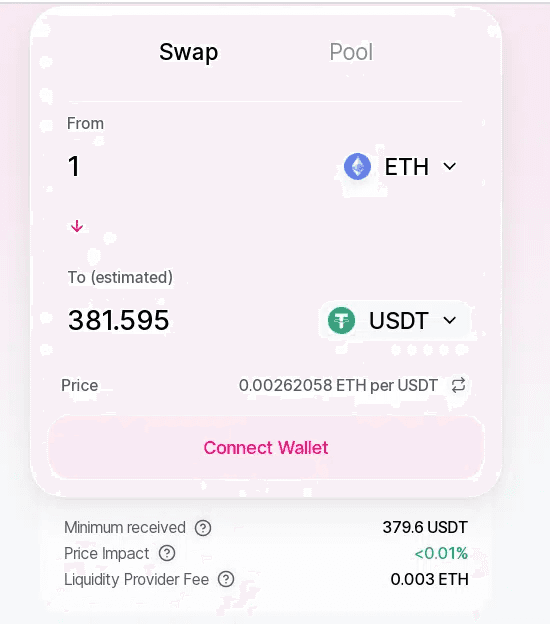
There are so many different ways to build a swap. Informed by competitive research, I built many variations of the swap before settling on a final design.
Competitive Research


Final Solution
Landing on the final solution
The original page presented charts, fee tiers, and liquidity depth alongside the swap widget all visually equivalent, meaning nothing had hierarchy.
I ran a hierarchy audit and restructured the page so the swap action became the unambiguous primary CTA, with data available on demand instead of forced upfront.
Before
After

Reframe the swap page

A Little Extra (:
Art Direction
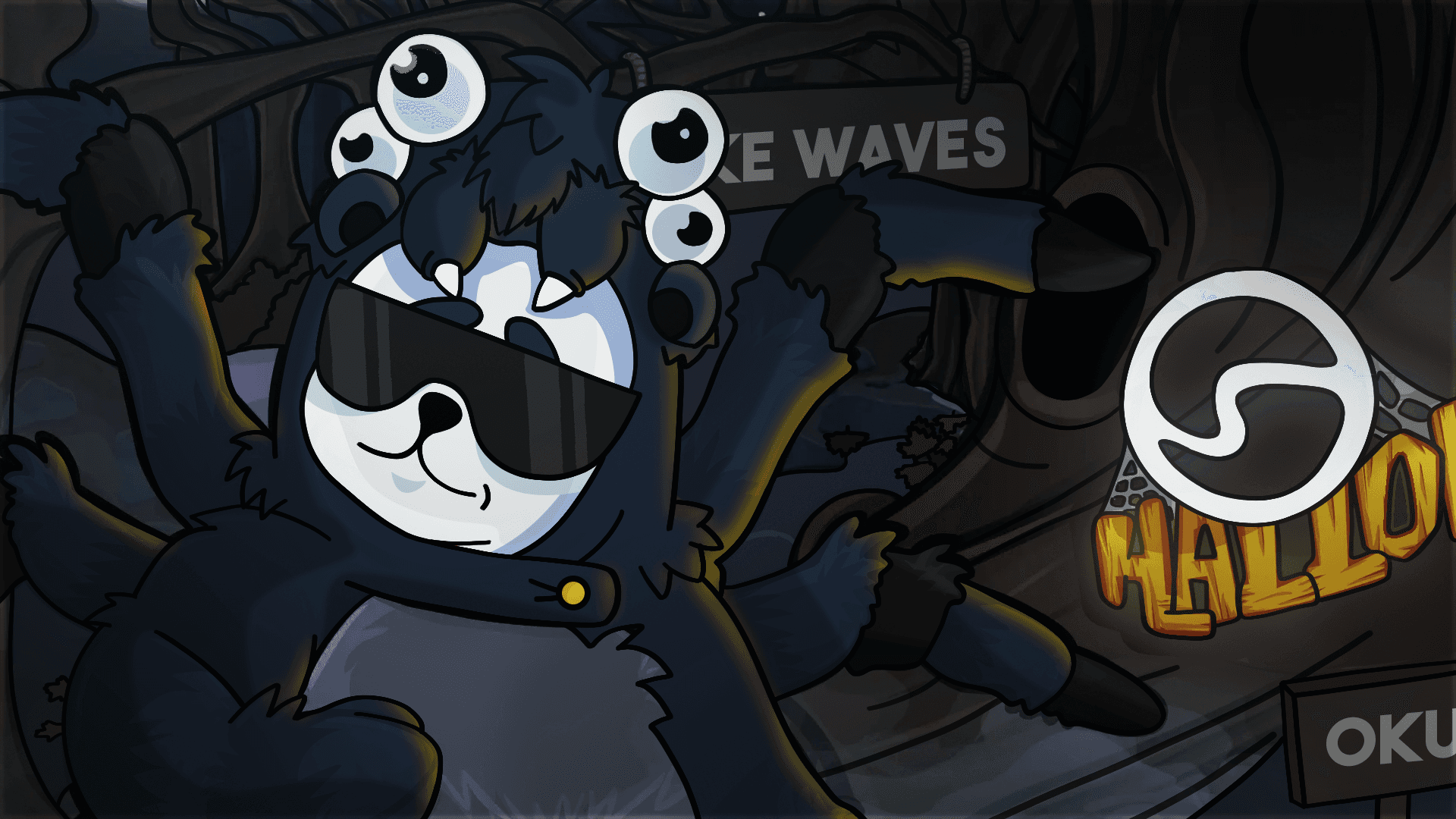
After implementing the website branding I proposed the use of a mascot. This increased user interaction by 20% yearly. I worked with a graphic designer to implement GIFs & mascot design in order to improve branding and create a recognizable theme for Oku.



Key Learnings
-
Don't reinvent the wheel and over engineer a crazy complicated solution for a simple problem. A lot of this project was spent learning to lean on precedents.
-
Be a chronic communicator. It became a habit to share updates with stakeholders, engineers and teammates to keep everyone up to date.

This is just a snapshot of the entire design process.
Reach out to jehnesa.design@gmail.com for the full story.
Say hello!
Next
UI / UX Design
Design System
Creating a modern brand experiencefor Darling Ingredients
Spearheading the first design system for Darling Ingredients across 30+ brands
Open case study
Say hello
Let's build something memorable together.
Toronto, ON